

What Would Bach Sound Like on a Hulam?
The idea of creating an instrument that could play classical music had been with me for a long time. Years of playing the accordion, and later the piano, naturally nurtured this vision.
I knew how to create a tone of Hulam, amplify it, and tune it perfectly – as you can hear in all the instruments we offer. But the keyboard mechanism? That was a different story. Building keyboard mechanisms isn’t something you learn in school, so I dove in headfirst, figuring it out as I went.
That’s how the first Hulam Celesta began to take shape. The prototype spanned 2.5 octaves (32 notes), and I built the entire mechanism from scratch – keys and all. I drew inspiration from the Viennese mechanisms used in Mozart’s era. While the original design was modified, it remains simple and functional.
With no guides or blueprints for the dimensions of each part, experimentation became my teacher. After two buckets of discarded components and a month of trial and error, I finally had something I was proud of – ready to start producing parts for the full 32-note instrument.
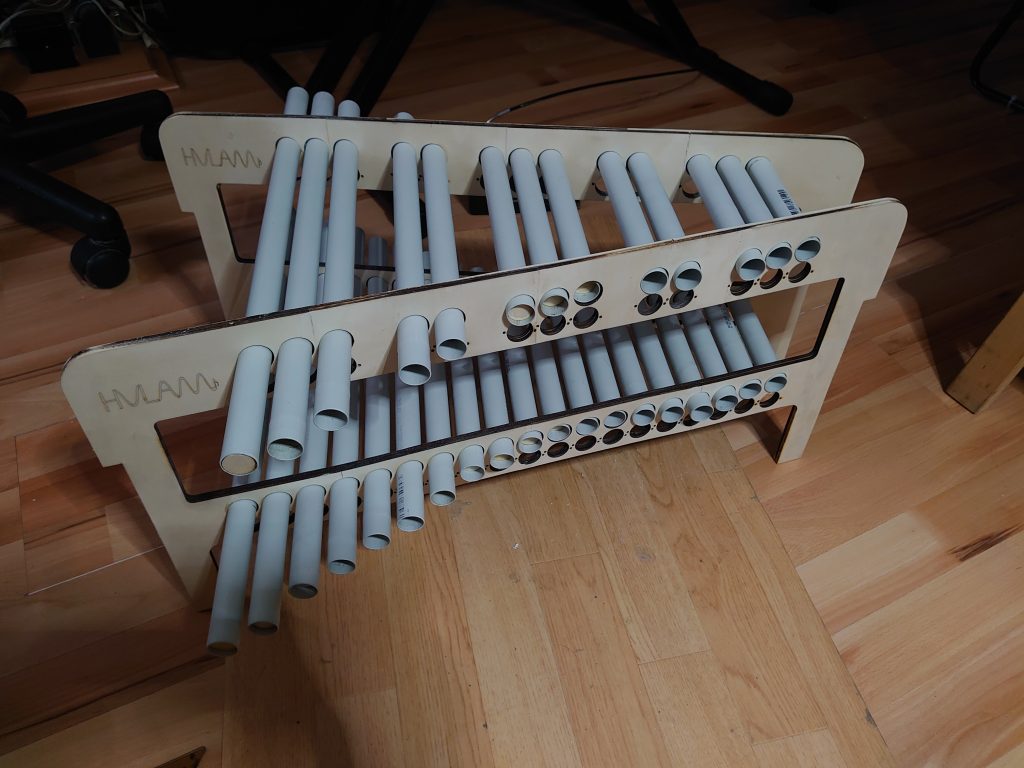
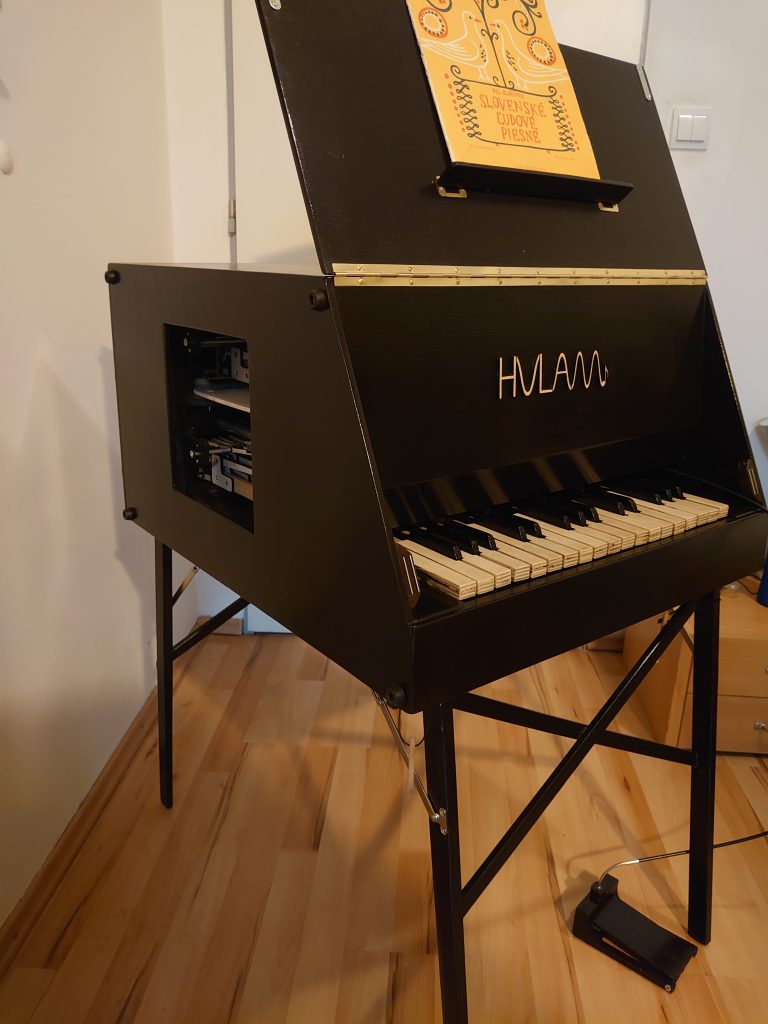
After three months of intensive work, I managed to assemble and get the instrument working. Playing it came with certain limitations, the biggest being its small range. In any case, this instrument proved that it could be done – and that it actually sounds good. The following video is proof of that.
Then I put the idea to sleep for a while. Life had other experiences in store – for example, a trip to Spain and later building my own home.